EN
EN
 English
 Português

Industry News
How Complete Drive Shaft Assemblies Handle Torque, Impact, and Bending Forces
Complete Drive Shaft Assemblies: A Technical Deep Dive into Chassis Power Transmission
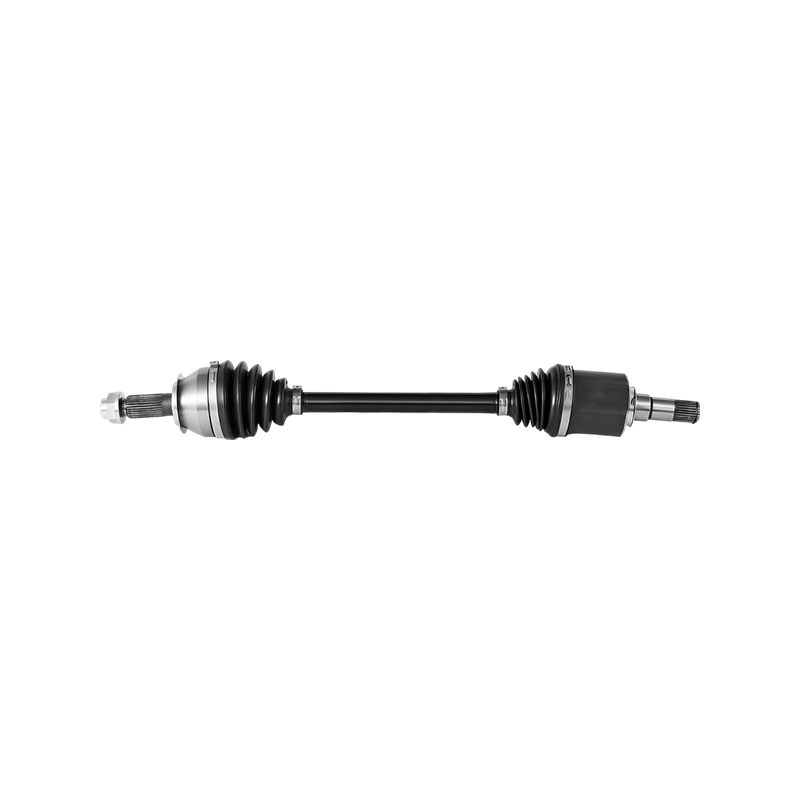
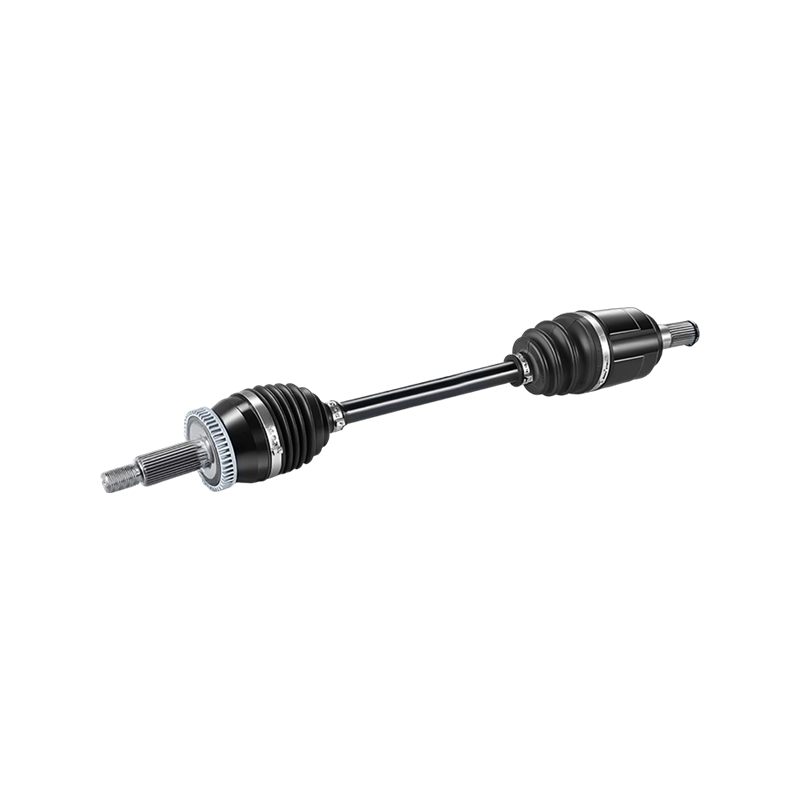
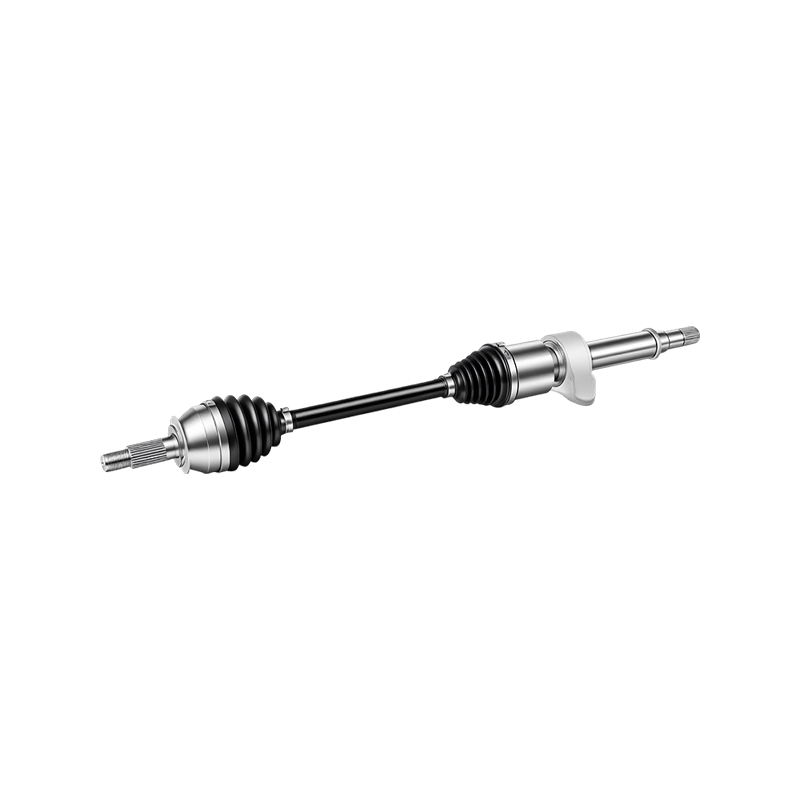
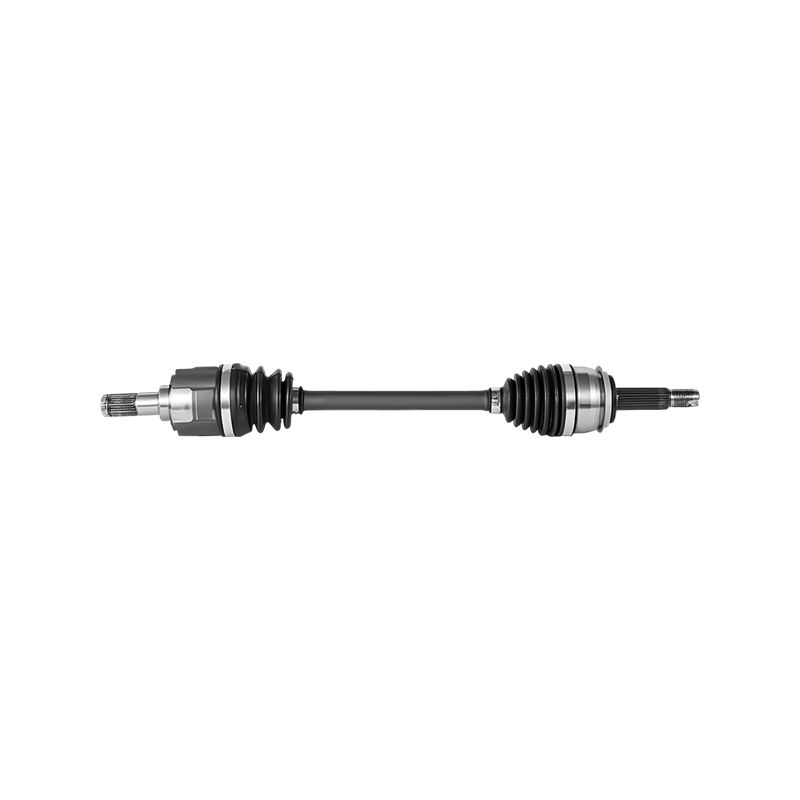
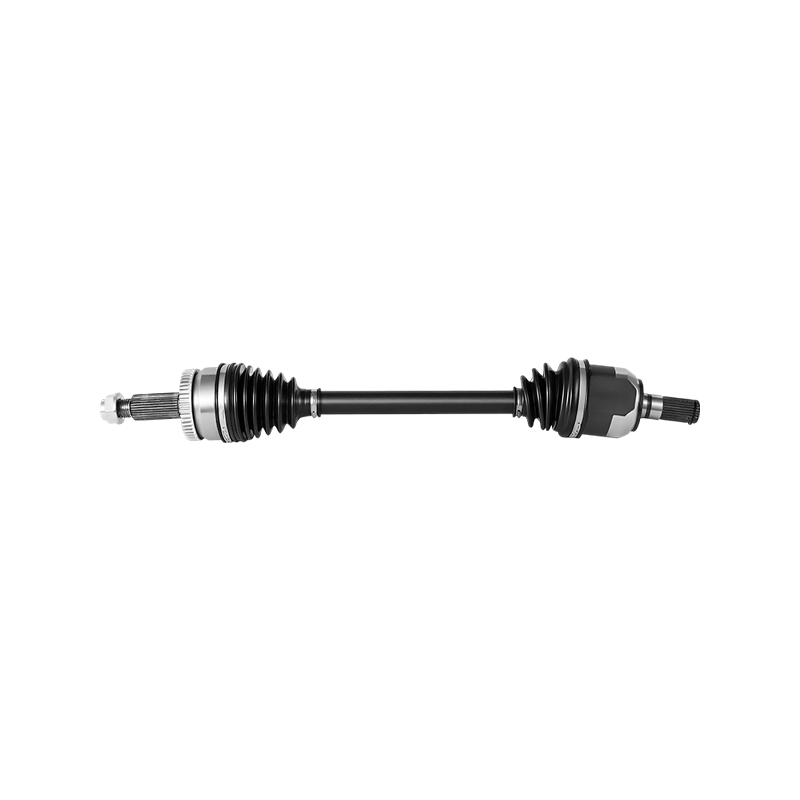
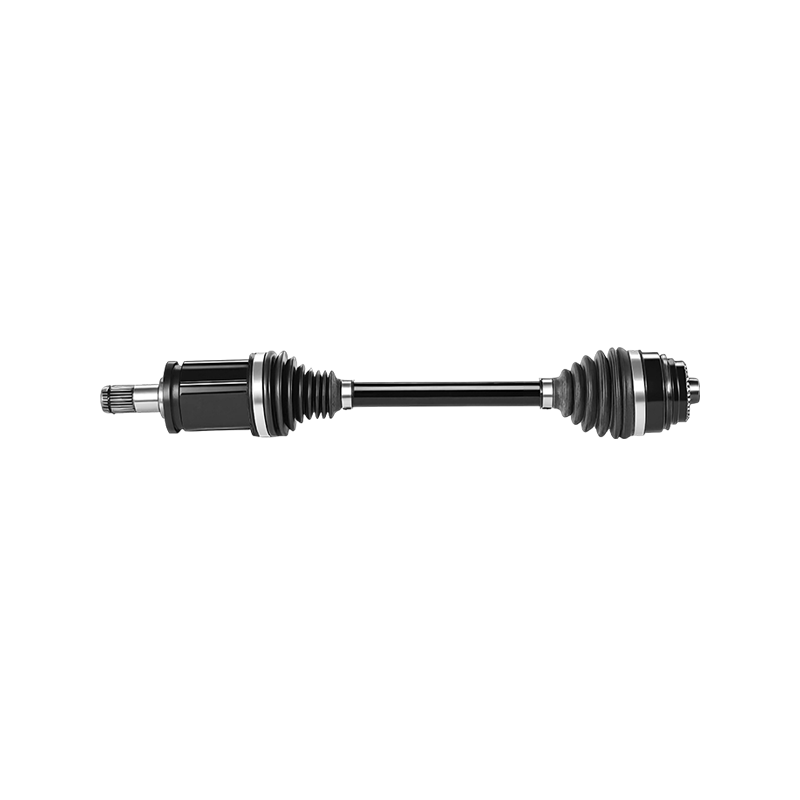
The drive shaft serves as a core power transmission component of the automobile chassis. It fully transfers the torque output from the gearbox to the left and right wheels, propelling the vehicle forward and backward. During vehicle operation, the drive shaft endures torque, impact force and bending force simultaneously, adapting to diverse working conditions including vehicle startup, bumpy road travel and turning maneuvers.
What Constitutes a Complete Drive Shaft Assembly?
A complete drive shaft assembly is more than a single rod. It typically includes the shaft tube itself, universal joints (U-joints), center support bearings, slip yokes, and constant velocity (CV) joints in front-wheel-drive and all-wheel-drive configurations. Each component plays a distinct role: U-joints compensate for angular changes between the transmission and the differential, while CV joints enable smooth power delivery at varying steering angles. The center support bearing, found in longer two-piece drive shafts, reduces vibration and maintains alignment under load.
Forces at Work: Torque, Impact, and Bending
Under normal driving conditions, a drive shaft operates under constant torsional load. However, real-world conditions introduce additional stressors. During hard acceleration or towing, peak torque can spike well beyond steady-state levels, testing the fatigue limits of U-joints and welds. On uneven surfaces, vertical movement of the suspension introduces bending forces and dynamic misalignment, which the slip yoke and U-joints must absorb. In turning scenarios — particularly in AWD and 4WD vehicles — CV joints handle the combined challenge of torque transfer and angle variation without inducing vibration or binding.
Maintenance and Service Life
The service life of a drive shaft assembly varies widely depending on vehicle type, driving conditions, and maintenance practices. Regular inspection of U-joint play, CV joint boot integrity, and center bearing condition can extend service life significantly. In commercial fleets, preventive maintenance schedules that include drive shaft inspection have been shown to reduce unplanned downtime. For passenger vehicles, symptoms such as clunking noises during gear changes, vibration at certain speeds, or difficulty turning often indicate the need for drive shaft service or replacement.
- Email: zyqya@qq.com
- Tel: +86-576-87209702
- Mob: +86-13906546241
- Sales Tel: +86-15098852690/19861808468
- Whatsapp: +86-13656869496
- Add: No. 9 Xingyuan Road, Farm Automobile and Motorcycle Park, Yuhuan City, Zhejiang Province, China
Copyright © Yuhuan Bayzo Machinery Co., Ltd. All Rights Reserved.
OEM/ODM Drivetrain Components Suppliers