EN
EN
 English
 Português

Industry News
Tripod Inner C.V. Joint for Car Drive Shaft: Function, Benefits, and Applications
Understanding the Tripod Inner C.V. Joint in Automotive Drive Shaft Systems
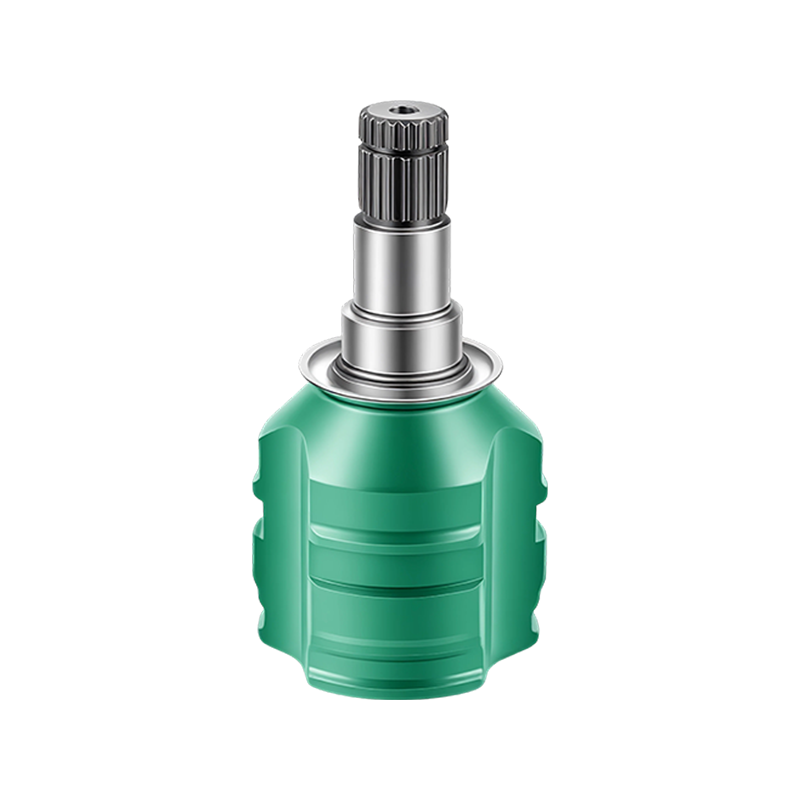
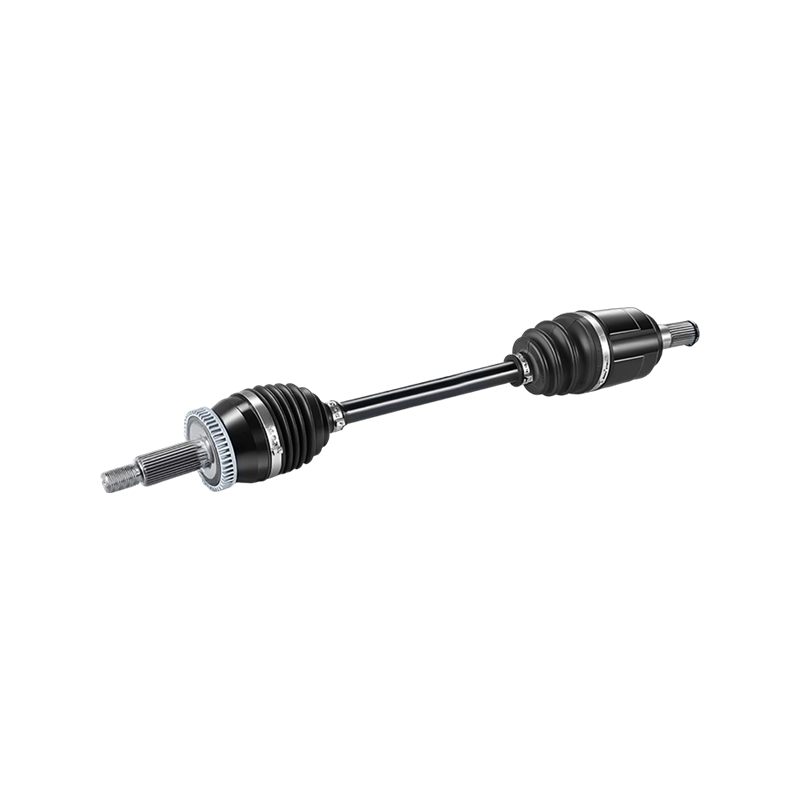
In the complex architecture of a vehicle's drivetrain, few components work as hard — or as quietly — as the inner constant velocity (C.V.) joint. Positioned between the transmission output and the drive shaft, the inner C.V. joint is responsible for transferring engine torque to the wheels while continuously adapting to changes in steering angle, suspension travel, and axial movement. Among the various inner joint designs available today, the tripod-type inner C.V. joint has established itself as a widely adopted solution, particularly in front-wheel-drive (FWD) passenger cars and selected four-wheel-drive (4WD) platforms.
How the Tripod Design Works
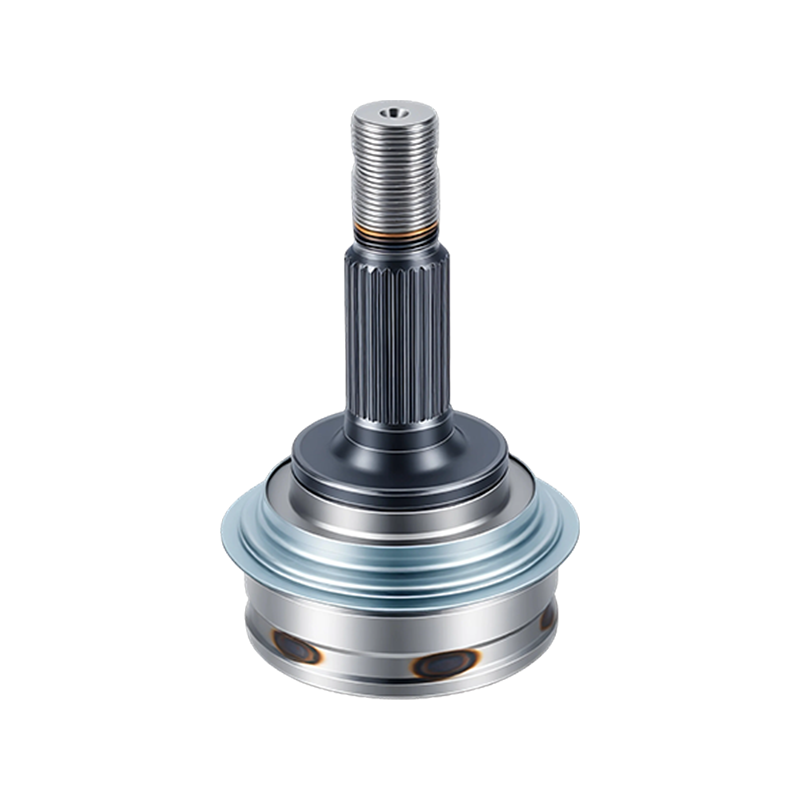
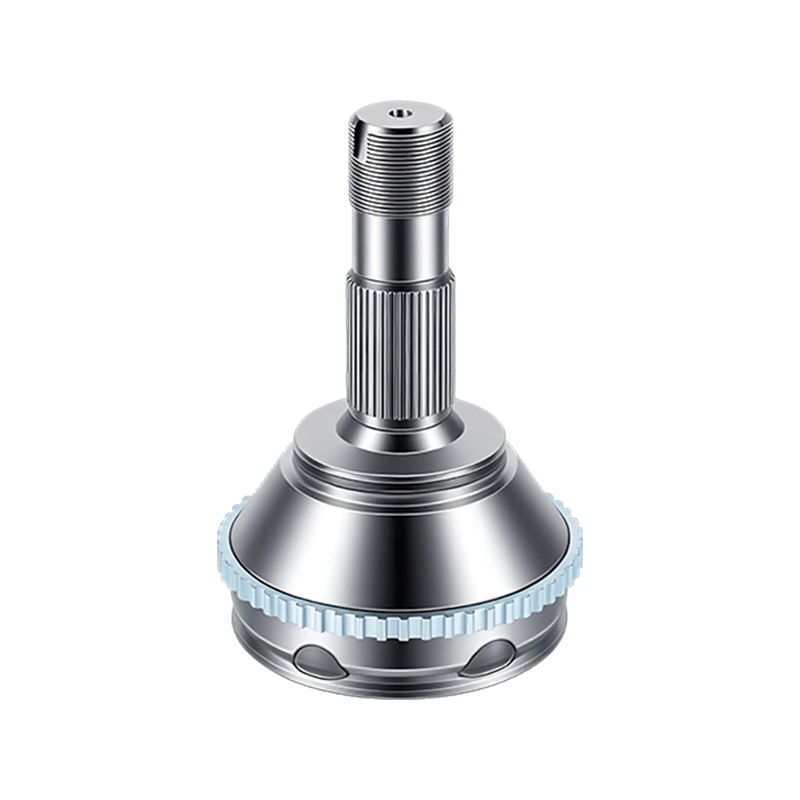
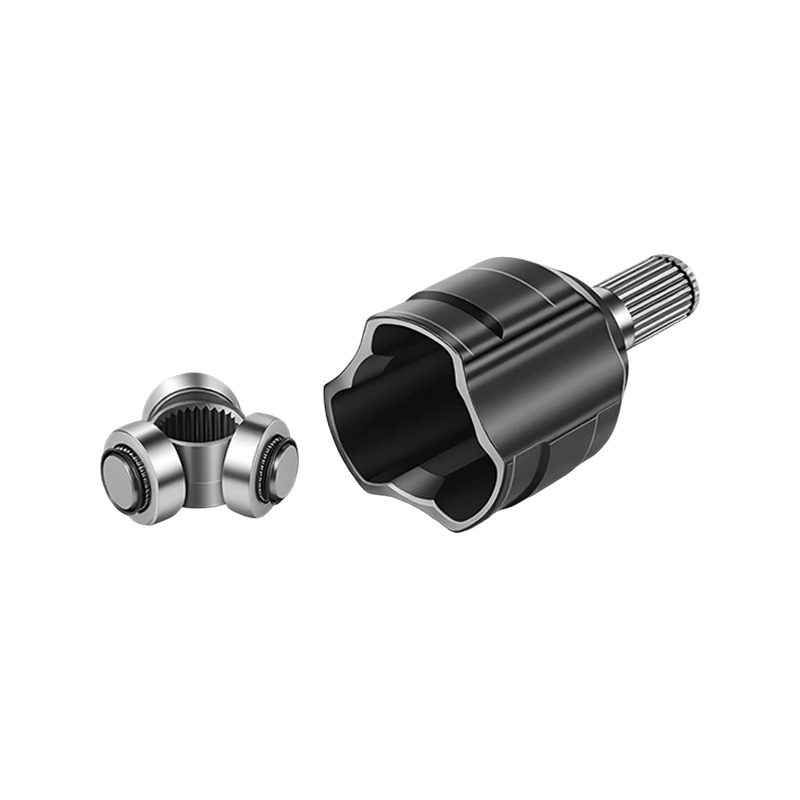
A tripod inner C.V. joint consists of three main elements: a tripod hub (also called a spider), three needle-bearing rollers mounted on the hub's trunnions, and a tulip-shaped outer housing with three longitudinal grooves. As the drive shaft rotates, the rollers travel within the grooves, allowing the joint to accommodate both angular deflection and axial plunging motion. This plunging capability is what distinguishes the inner joint from the outer C.V. joint: while the outer joint primarily handles steering angles, the inner joint absorbs the length changes that occur as the suspension compresses and extends.
Why Tripod Joints Matter for Drive Shaft Performance
The tripod design offers several functional advantages that directly impact vehicle dynamics. First, the three-roller configuration distributes torque load across a broader contact area, contributing to more stable power delivery under acceleration. Second, the sliding compensation mechanism helps dampen vibration and reduce noise generated by suspension movement — a benefit that becomes particularly noticeable on uneven road surfaces. Third, the relatively simple and compact structure makes tripod joints cost-effective to manufacture and straightforward to service, which explains their prevalence in mass-market passenger vehicles.
Common Wear Patterns and Replacement Considerations
Like all mechanical components, tripod inner C.V. joints are subject to wear over time. The most frequent failure points include worn needle bearings, pitted or scored roller surfaces, and degraded lubricant caused by torn or cracked protective boots. Symptoms of a failing inner joint may include a clicking or clunking noise during acceleration or deceleration, vibration felt through the floor pan, and, in advanced cases, a noticeable shudder during takeoff. For repair shops and aftermarket distributors, selecting a replacement joint that meets strict dimensional tolerances is essential — an ill-fitting joint can accelerate wear on adjacent components and compromise drivetrain smoothness.
- Email: zyqya@qq.com
- Tel: +86-576-87209702
- Mob: +86-13906546241
- Sales Tel: +86-15098852690/19861808468
- Whatsapp: +86-13656869496
- Add: No. 9 Xingyuan Road, Farm Automobile and Motorcycle Park, Yuhuan City, Zhejiang Province, China
Copyright © Yuhuan Bayzo Machinery Co., Ltd. All Rights Reserved.
OEM/ODM Drivetrain Components Suppliers