EN
EN
 English
 Português

Industry News
The Rising Need for High-Toughness Drive Axles in an Era of Heavier Vehicles and Complex Road Conditions
High Toughness Constant Velocity Axles: Backbone of Modern Automotive Power Transmission
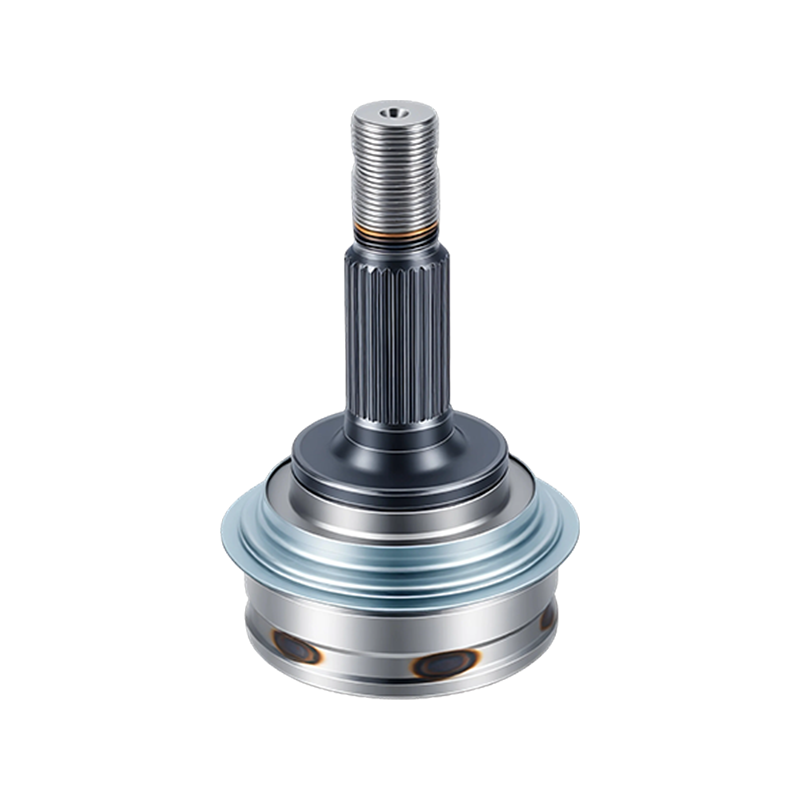
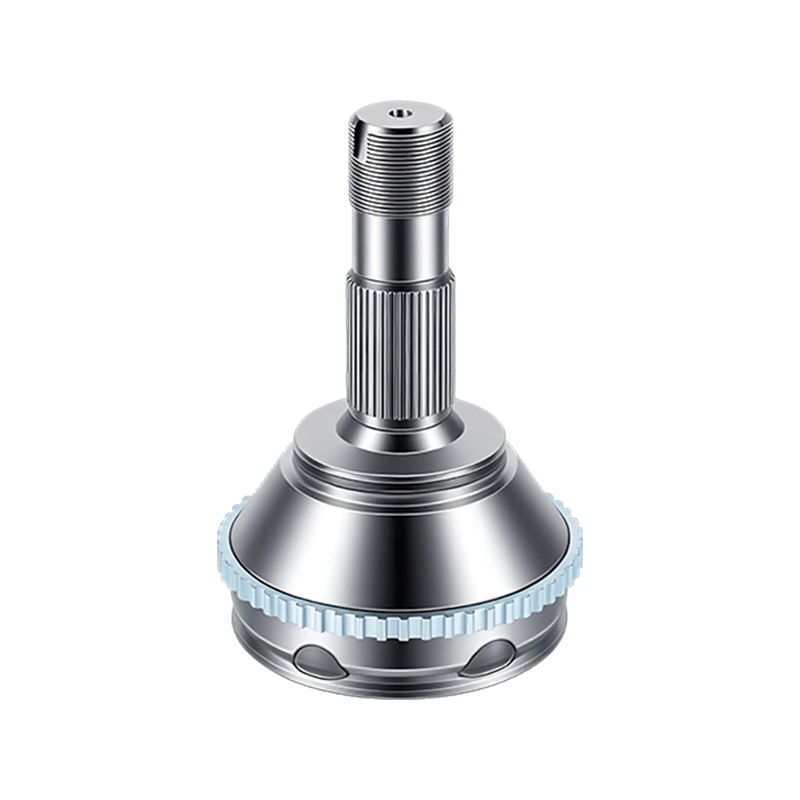
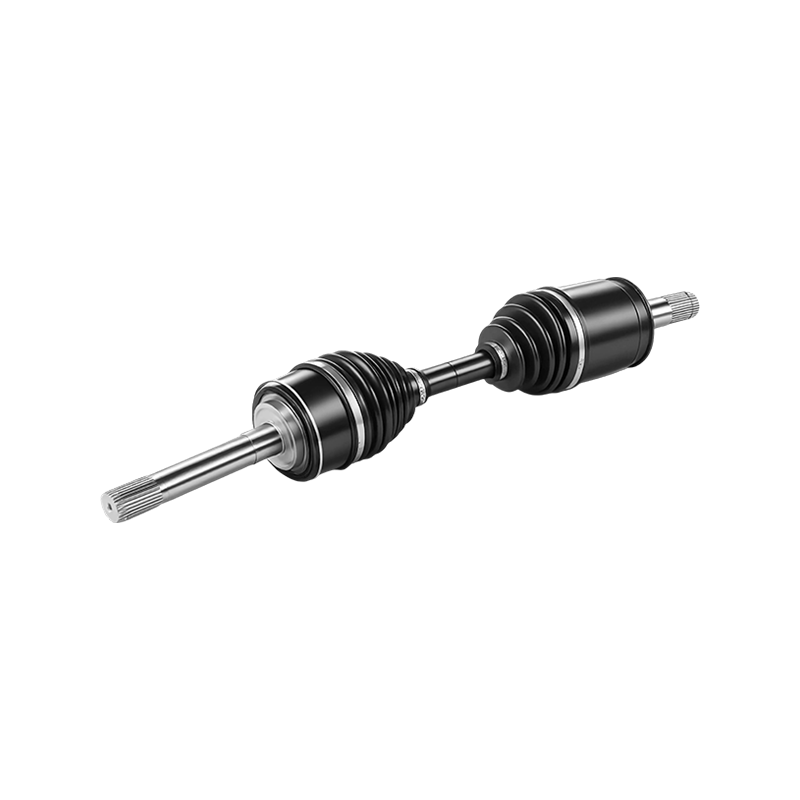
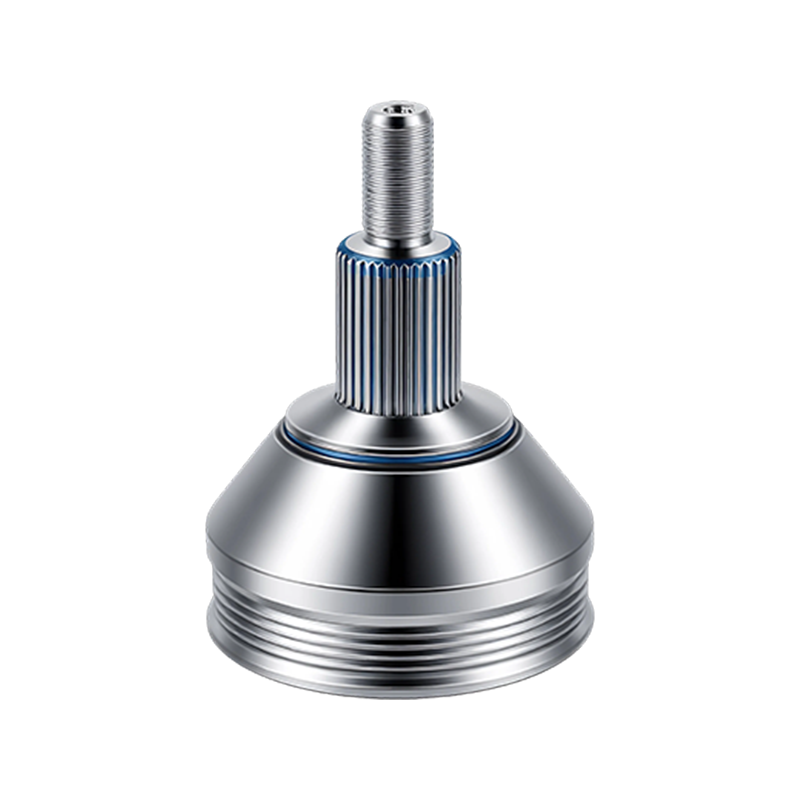
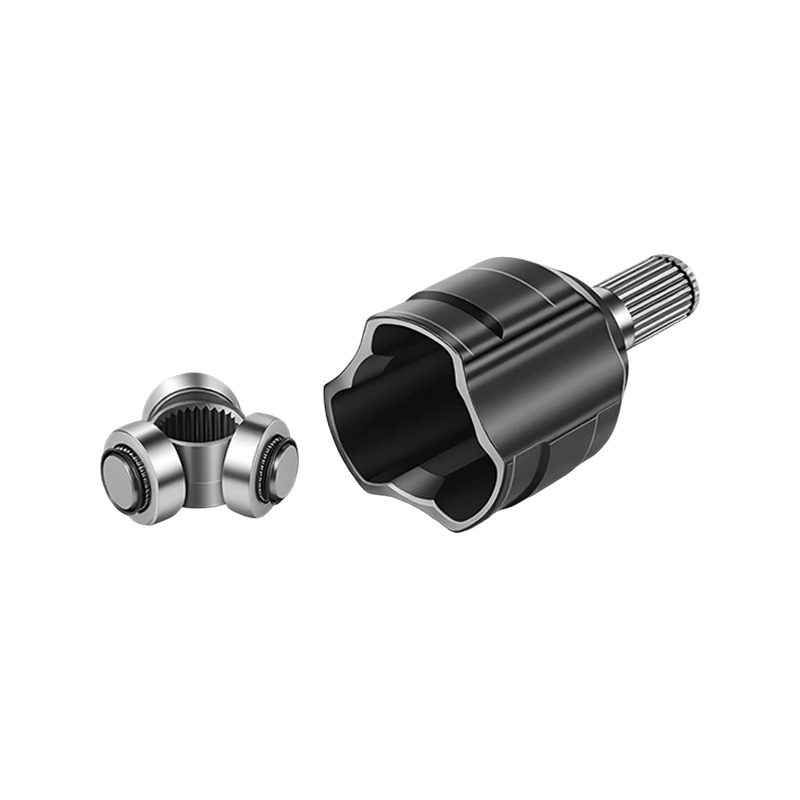
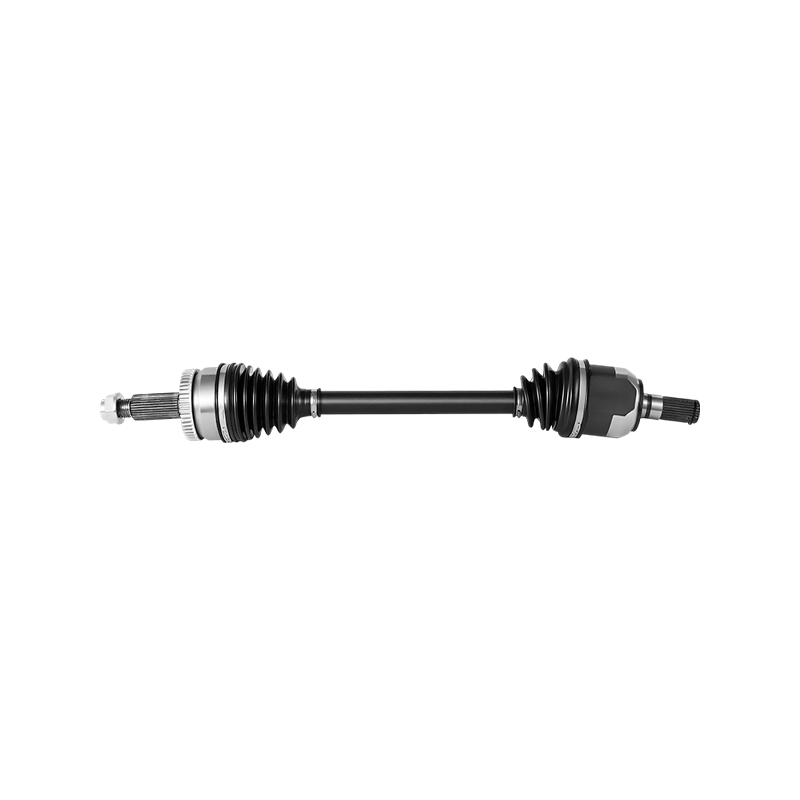
As vehicles become heavier, more powerful, and increasingly expected to perform across a wider range of road conditions, the components that transfer engine torque to the wheels face greater mechanical stress than ever before. At the center of this challenge is the constant velocity (C.V.) axle — an assembly that must deliver smooth, uninterrupted power while accommodating steering angles, suspension travel, and sudden torque fluctuations. The high-toughness automotive C.V. axle represents an engineered response to these demands, combining robust material selection, precision manufacturing, and fatigue-oriented design to maintain reliable performance under high-load and high-torque operating conditions.
What Makes an Axle "High Toughness"?
In metallurgical terms, toughness refers to a material's ability to absorb energy and deform without fracturing — a property distinct from hardness alone. For an automotive C.V. axle, high toughness means the shaft can withstand sudden torque spikes, road impacts, and repeated cyclic loads without cracking or permanently deforming. This is typically achieved through the use of alloy steel grades combined with controlled heat treatment processes such as quenching and tempering, which balance surface hardness (for wear resistance) with internal ductility (for impact absorption). Surface strengthening treatments, such as shot peening or induction hardening on critical areas, further enhance fatigue life by introducing compressive residual stresses that resist crack initiation.
The Constant Velocity Principle
A constant velocity axle differs from a simple universal joint in that it maintains an equal rotational speed between the input and output shafts regardless of the operating angle. This is critical for front-wheel-drive and independent suspension layouts, where the axle must operate at varying angles as the wheels steer and the suspension compresses. Without true constant velocity behavior, speed fluctuations would translate into vibration, noise, and accelerated wear. High-toughness C.V. axles integrate this principle within a reinforced structure, ensuring that the constant-velocity function is preserved even when the axle is subjected to high torque and angular deflection simultaneously.
Key Design and Manufacturing Features
Several engineering choices define the performance envelope of a high-toughness C.V. axle. First, the axle body is precision forged and machined to tight dimensional tolerances, minimizing assembly misalignment that could introduce stress concentrations. Second, critical connection areas — where the axle meets the joint and hub — receive additional machining accuracy to ensure uniform load distribution. Third, the axle is designed to work in conjunction with high-performance dust boots and dedicated lubrication systems, which prevent the ingress of dust, moisture, and contaminants that would otherwise accelerate wear and degrade lubricant performance. Together, these features contribute to longer maintenance intervals and reduced total cost of ownership for fleet operators and individual vehicle owners alike.
Fatigue and the Reality of Cyclic Loading
One of the most common failure modes for drive axles is not a single catastrophic overload but fatigue failure caused by millions of repeated load cycles. Every vehicle start, acceleration event, pothole impact, and cornering maneuver applies a stress cycle to the axle. Over time, even stresses below the material's ultimate tensile strength can initiate micro-cracks that propagate until failure. High-toughness axles address this through a combination of internal toughness optimization and surface compressive stress, effectively raising the threshold at which fatigue cracks begin to form. This is particularly relevant for vehicles operating in complex road environments or under frequent stop-and-go conditions, where cyclic loading is most severe.
- Email: zyqya@qq.com
- Tel: +86-576-87209702
- Mob: +86-13906546241
- Sales Tel: +86-15098852690/19861808468
- Whatsapp: +86-13656869496
- Add: No. 9 Xingyuan Road, Farm Automobile and Motorcycle Park, Yuhuan City, Zhejiang Province, China
Copyright © Yuhuan Bayzo Machinery Co., Ltd. All Rights Reserved.
OEM/ODM Drivetrain Components Suppliers