EN
 English
 Português


Industry News
The Main Causes of Acceleration Shudder Linked to Inner C.V. Joint Wear
Content
- 1 How a Worn Inner C.V. Joint Produces Acceleration Shudder
- 2 Root Causes of Inner C.V. Joint Wear
- 3 How to Diagnose Inner C.V. Joint Wear
- 4 Repair Options: Boot Kit, Inner Joint, or Complete Drive Shaft?
- 5 Preventing Inner C.V. Joint Wear and Acceleration Shudder
- 6 Frequently Asked Questions
- 6.0.1 Q1: Can a worn inner C.V. joint cause shudder only during acceleration?
- 6.0.2 Q2: How urgent is an acceleration shudder caused by inner C.V. joint wear?
- 6.0.3 Q3: Should I replace only the inner joint or the entire drive shaft?
- 6.0.4 Q4: The boot was replaced, but the shudder is still there. Why?
Press the accelerator, and the car vibrates through the seat, the steering column, and even the mirrors. The shudder is rhythmic, and it fades the moment you release the throttle. In front-wheel-drive vehicles, one of the most common causes is a worn inner constant-velocity (C.V.) joint, the transmission-side joint of the drive axle.
The inner C.V. joint does more than pass power to the wheel. As the suspension moves, the axle must shorten and lengthen, and this joint is designed to slide while torque is flowing. When its internal parts wear, the sliding motion becomes uneven, and every irregularity is felt as an acceleration shudder.
Quick glance: signs that inner C.V. wear is the culprit
- Shudder appears under acceleration, especially when the car is heavily loaded
- Vibration disappears when coasting or in neutral
- A cracked or leaking boot is usually visible on the inner joint
- The condition is often worse uphill or during hard pickup
Acceleration shudder is the inner C.V. joint's way of telling you that torque is no longer being transmitted smoothly.
How a Worn Inner C.V. Joint Produces Acceleration Shudder
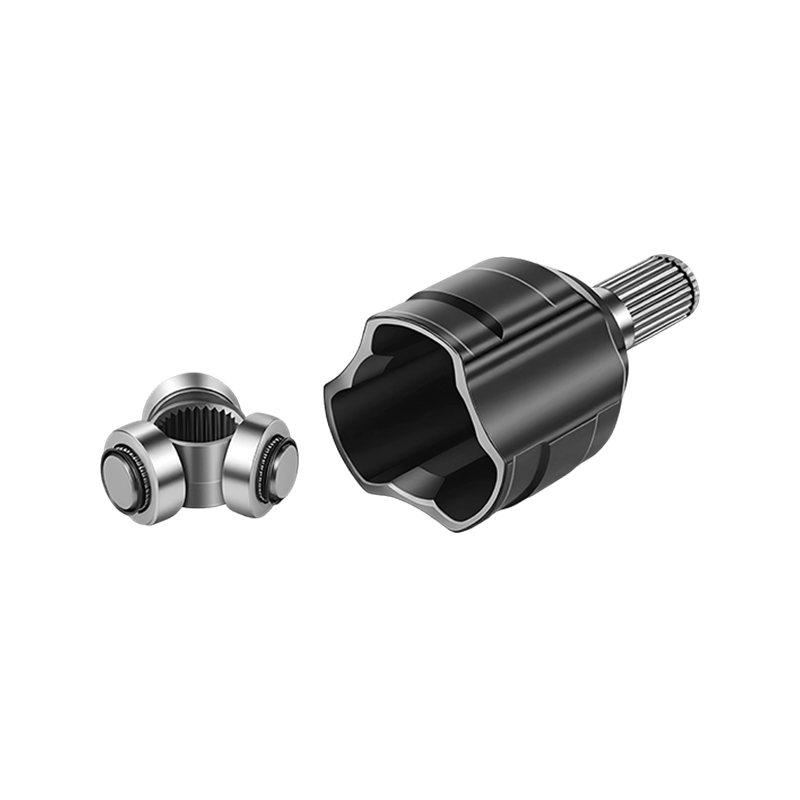
Most modern front-wheel-drive cars use a tripod-style inner C.V. joint. Three rollers, each supported by needle bearings, run inside three machined tracks in the joint housing. This arrangement lets the axle plunge in and out as the suspension compresses while still delivering torque at a wide range of angles.
The system relies on precision. The rollers must roll along the tracks with very little clearance because the joint is under load as long as the car is moving. As the needle bearings and track surfaces wear, that clearance grows. When torque arrives during acceleration, the loose rollers shift and then release, creating a rapid, repeating vibration. Engineers call this a vibration impulse; drivers simply call it a shudder.
Why the shudder appears specifically under load:
- High torque raises the contact stress between rollers and tracks.
- Plunge movement is greatest when the vehicle accelerates, not when it cruises.
- Engine torque pulses amplify the small clearances inside the worn joint.
Root Causes of Inner C.V. Joint Wear
Acceleration shudder linked to inner C.V. joint wear rarely appears without warning. One of the following root causes, or a combination of them, destroys the joint's internal precision.
Failed Boots and Grease Loss
The C.V. boot keeps grease in and contamination out. After years of heat, ozone, and debris impact, the boot develops small cracks. Grease then escapes at speed, and the joint begins to run dry. A dry inner joint becomes rough within a short time, and the roughness translates directly into shudder under acceleration.
Contaminated Grease and Abrasive Grit
Water and road grit enter through even a tiny crack. Contaminated grease no longer lubricates; it acts like grinding paste. The abrasive particles wear the needle bearings and polished track surfaces, turning a healthy joint into a failing one far faster than normal mileage would.
Worn Tripod Rollers and Needle Bearings
The rollers of a tripod inner joint depend on rings of tiny needle bearings. High mileage, heat, or a lack of grease causes these needles to wear unevenly and leaves indentations on the trunnion pins. Damaged rollers no longer roll; they slide and catch. That stick-slip motion is the direct mechanical source of an acceleration shudder.
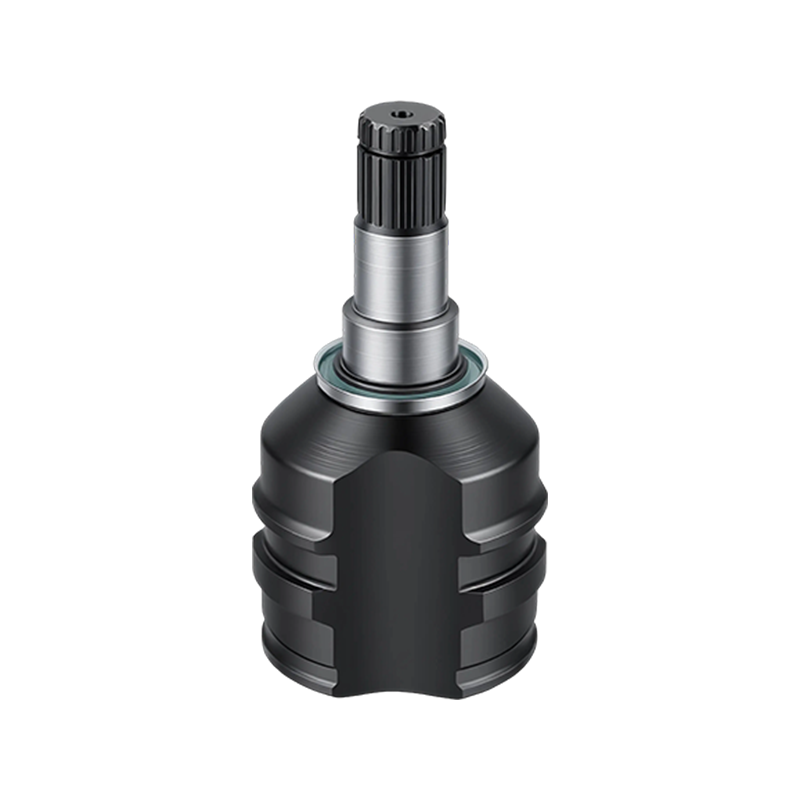
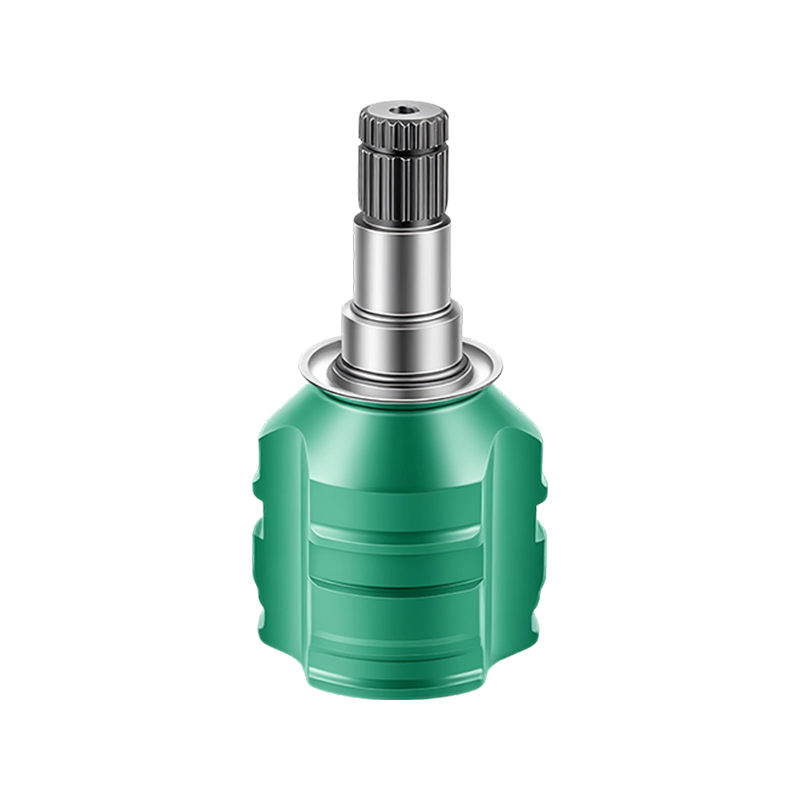 43040-32040 Tripod Inner CV Joint for Drive Shaft ReplacementThis inner tripod joint is the component directly affected by worn needle bearings, which cause acceleration shudder. If rollers are damaged, replacing this joint restores smooth torque transfer and prevents early failure under heavy load.View Product →
Overload, Heat, and Suspension Geometry
Towing near the vehicle's limit, aggressive driving, and modified ride heights all increase the working angle and load of the inner joint. A higher angle raises contact stress, and higher stress accelerates fatigue. A joint that could last 150,000 kilometres under normal use may fail far earlier under continuous heavy load.
| Root cause | Mechanical effect | Typical result |
|---|---|---|
| Torn or leaking boot | Grease loss and metal-to-metal contact | Shudder plus groaning on acceleration |
| Contaminated grease | Abrasive wear on tracks and needles | Rhythmic vibration under torque |
| Worn tripod rollers | Irregular roller motion in the tracks | Pulsing shudder during hard pickup |
| Overload and high joint angle | Rapid fatigue and surface pitting | Progressive shudder that worsens |
How to Diagnose Inner C.V. Joint Wear
Before buying any parts, confirm that the inner joint is the real source of the shudder. The check takes a few minutes and needs only a lift and basic hand tools.
- Raise the vehicle and support it securely with axle stands.
- Inspect both inner boots closely. Look for grease spray, cracks, tears, and oil-soaked rubber, which indicate a boot that has already failed.
- Rock the inner joint flange by hand. Clunking or free play points to worn internal components.
- Rotate the wheel slowly and feel for a notchy, rough resistance from the inner joint.
- Test drive the car: accelerate gently in gear and then coast. A shudder that appears on power and disappears off power is a classic inner C.V. joint symptom.
A visual check is often enough. A torn inner boot combined with a clean outer joint strongly suggests inner C.V. joint wear as the cause of the acceleration shudder.
Repair Options: Boot Kit, Inner Joint, or Complete Drive Shaft?
Once the inner joint is confirmed as the source of the shudder, the right repair depends on how far the damage has already progressed.
When a Boot Kit Is Enough
If the boot has failed but the joint was caught early, a quality C.V. boot kit restores the grease seal and renews the lubrication. This is the lowest-cost repair, but it is only valid when the joint has no play and the rollers still rotate smoothly.
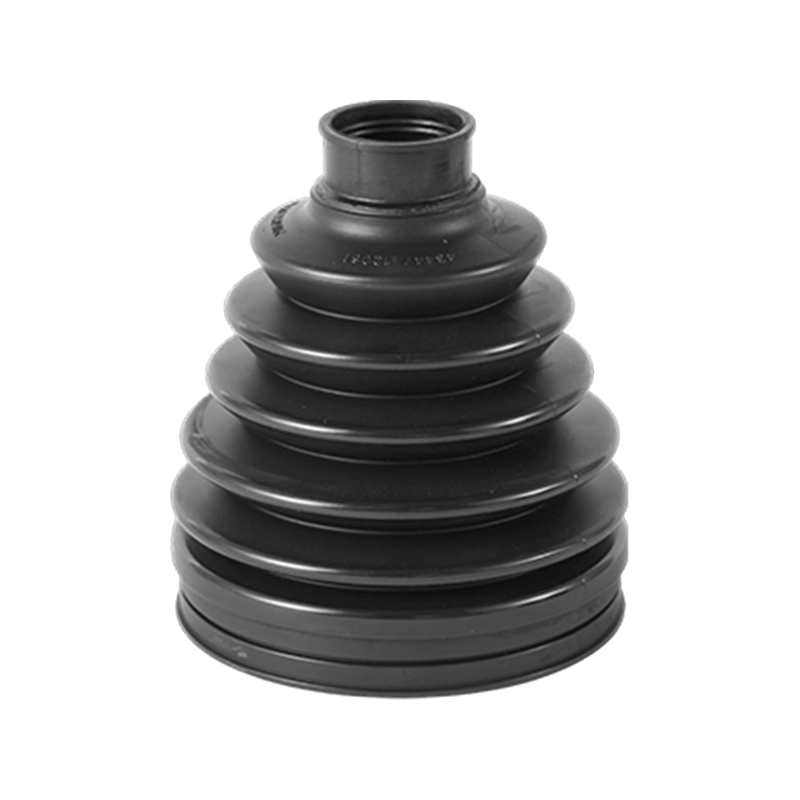 04427-0K020 Anti-Leak CV Boot for Drive Shaft Ball CageWhen a boot fails but the joint is still sound, this bellows cover renews the grease seal and keeps contaminants out. It is the low-cost fix that preserves the inner joint if no play or roller damage is present.View Product →
Replacing the Inner C.V. Joint
If the needles, tracks, or trunnions are worn, no boot kit can fix it. The inner joint itself must be replaced. Choosing a quality replacement matters: a precision inner C.V. joint from a specialist manufacturer keeps the rolling elements within tolerance and delivers the quiet, even torque flow that stops shudder from coming back.
Choosing a Complete Drive Shaft Assembly
On a high-mileage vehicle, replacing only the inner joint leaves an older outer joint and a fatigued axle shaft in service. Many workshops prefer a complete drive shaft assembly with new inner and outer joints, a new shaft, and fresh boots. The labour cost is similar to an inner-joint-only job, and the result is a driveline that feels smooth for years. To understand the broader failure pattern, read why C.V. joints fail early and how to spot the signs before a shudder becomes a breakdown.
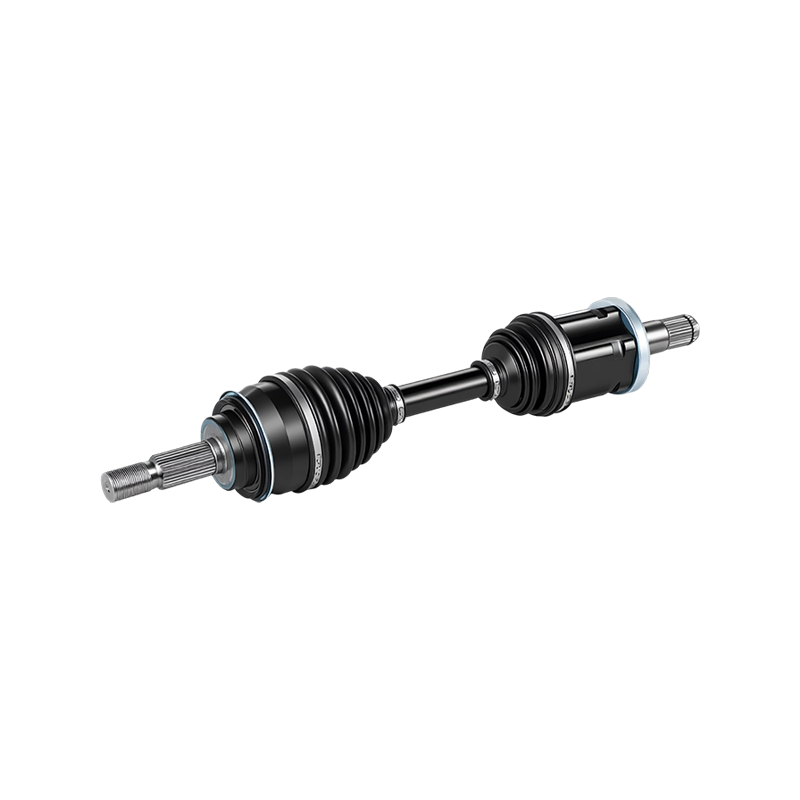
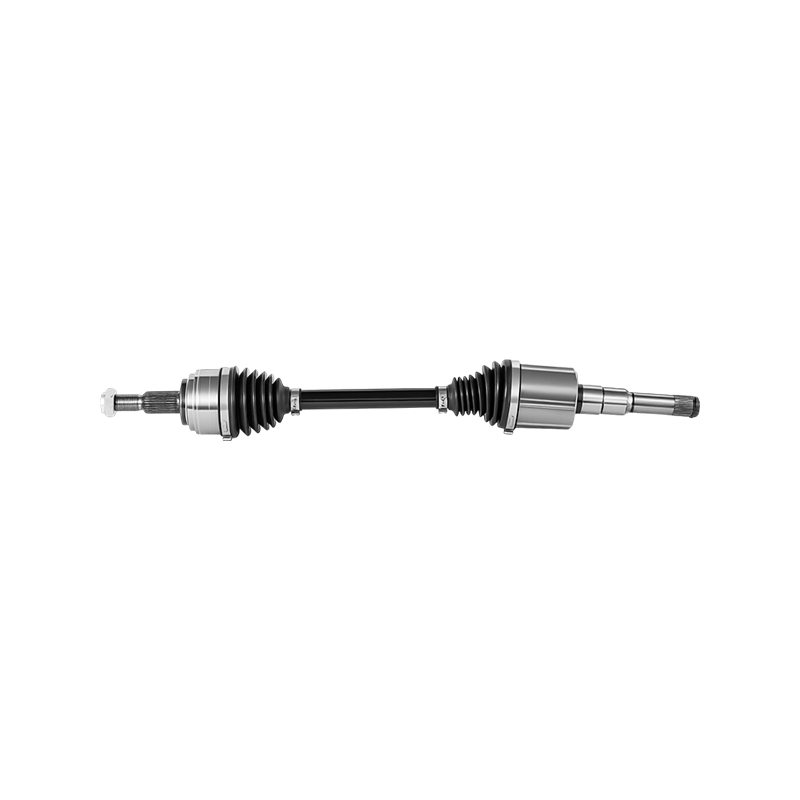
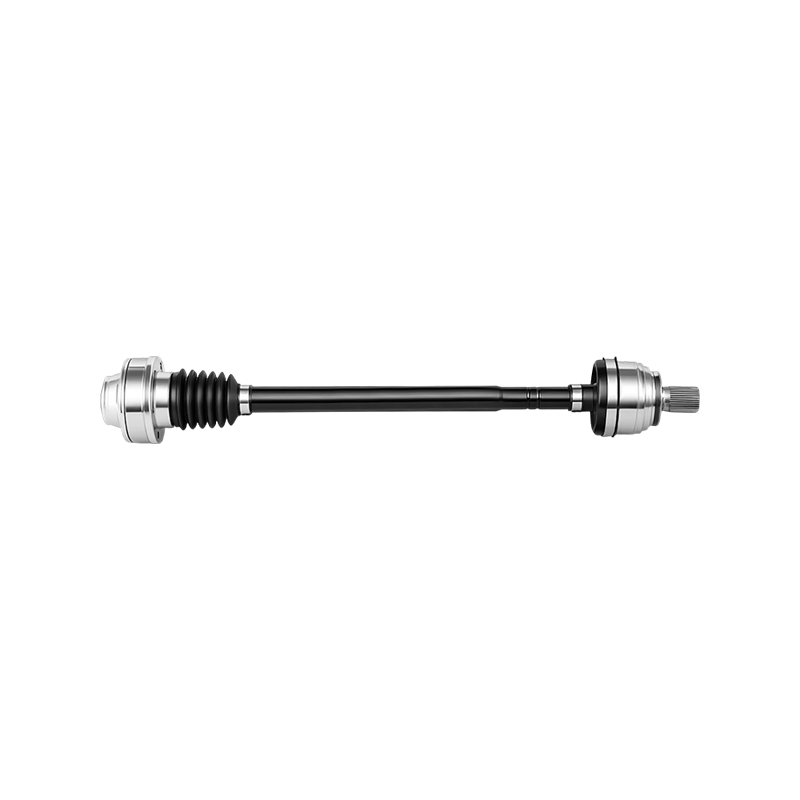
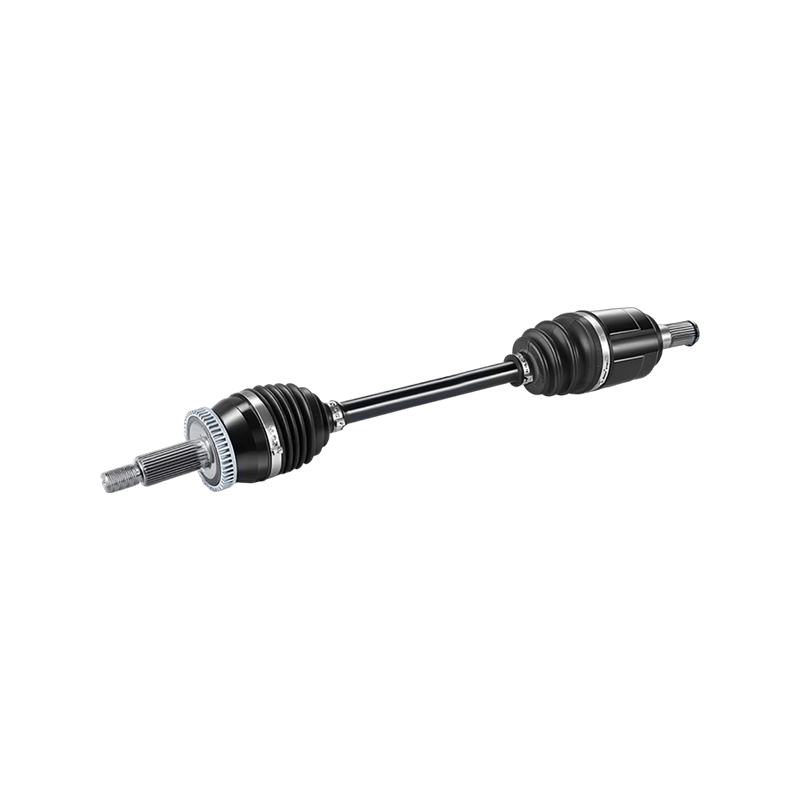 49500-C1200 Complete Drive Shaft Assembly with Inner and Outer CV JointsThis pre-assembled axle replaces both joints, the shaft, and boots in one unit. It suits high-mileage vehicles where upgrading the entire driveline avoids leaving older parts in service and delivers lasting smoothness.View Product →
Preventing Inner C.V. Joint Wear and Acceleration Shudder
A small amount of routine attention prevents most inner-joint failures.
- Inspect both inner boots at every oil change, and replace a boot at the first sign of cracking.
- If a boot is torn, avoid driving through mud, sand, or deep water before it is repaired.
- Use only the C.V. joint grease specified for the vehicle, never general-purpose chassis grease.
- Keep the suspension and ride height close to stock so the inner joint works at its designed angle.
- After any boot or joint replacement, tighten the axle nut and mounting fasteners to factory torque.
These same habits protect the outer C.V. joint, the wheel bearings, and the transmission output bearing as well.
Frequently Asked Questions
Q1: Can a worn inner C.V. joint cause shudder only during acceleration?
Yes, this is the classic pattern. Under acceleration the joint carries high torque, so internal wear becomes obvious as vibration. When you coast or shift into neutral, the load drops and the shudder usually disappears. Clicking noise while turning, by contrast, usually points to the outer joint.
Q2: How urgent is an acceleration shudder caused by inner C.V. joint wear?
Treat it as urgent. What begins as a shudder can progress to a seized or separated joint, a broken axle, or damage to the transmission seal. A short period of driving with a dry, contaminated joint can mean the difference between a boot repair and a complete axle replacement.
Q3: Should I replace only the inner joint or the entire drive shaft?
It depends on the condition of the rest of the axle. If the outer joint is healthy and the shaft is straight, an inner joint replacement is economical. If the vehicle has high mileage, a complete drive shaft assembly is usually the more reliable long-term choice because it renews every wearing part at once.
Q4: The boot was replaced, but the shudder is still there. Why?
A boot replacement cannot restore worn metal. If the needles, rollers, or track surfaces were already damaged before the boot was replaced, those worn parts, not grease loss, are the source of the shudder, and the joint itself must be replaced.
An acceleration shudder linked to inner C.V. joint wear is not something to drive through. The cause is usually a chain of events: a failing boot, lost or contaminated grease, and metal surfaces that begin to wear against each other. Identifying the root cause early and fitting the right replacement part restores smooth, quiet power delivery.
Part quality is part of the fix. Bayzo, a manufacturer of constant velocity joints and drive shafts, builds aftermarket components with controlled materials, precision machining, and full-process quality checks, so the repaired axle stays quiet for thousands of kilometres.
- Email: zyqya@qq.com
- Tel: +86-576-87209702
- Mob: +86-13906546241
- Sales Tel: +86-15098852690/19861808468
- Whatsapp: +86-13656869496
- Add: No. 9 Xingyuan Road, Farm Automobile and Motorcycle Park, Yuhuan City, Zhejiang Province, China
Copyright © Yuhuan Bayzo Machinery Co., Ltd. All Rights Reserved.
OEM/ODM Drivetrain Components Suppliers