EN
EN
 English
 Português

Industry News
C.V. Joints Explained: What Is a C.V. Joint and How Does It Drive Power to Wheels?
Content
- 1 What Is a C.V. Joint?
- 2 Anatomy: How a C.V. Joint Drives Power to Wheels
- 3 Inner C.V. Joint vs Outer C.V. Joint
- 4 How the Drive Shaft Completes the Power Path
- 5 Common Types of C.V. Joints
- 6 Why C.V. Joints Fail and How to Spot the Signs
- 7 How to Choose the Right C.V. Joint for Your Vehicle
- 8 Why Work with a Factory That Specializes in C.V. Joints and Drive Shafts
- 9 Frequently Asked Questions About C.V. Joints
When you press the accelerator, power from the engine does not stop at the transmission. It travels through compact but critical components connected to the wheels. One of those components is the C.V. joint, the constant velocity joint that transfers engine torque while absorbing angle changes from steering and suspension.
This article explains what a C.V. joint is, how it drives power to the wheels, why it wears out, and what to look for when replacing one.
What Is a C.V. Joint?
A C.V. joint is a compact mechanical coupling that connects the transmission output to the drive shaft and wheel hub. It is called a constant velocity joint because it maintains a constant rotational speed between the input and output shaft while the joint angle changes.
In front-wheel-drive vehicles, the engine, transaxle, and suspension are tightly packed. The C.V. joint handles three demands at the same time:
- Torque transfer: Delivering engine power to the wheels.
- Angle compensation: Allowing steering and suspension movement.
- Speed stability: Avoiding the pulsation common in older U-joint designs.
This combination makes the C.V. joint the preferred solution for modern drive shafts.
Anatomy: How a C.V. Joint Drives Power to Wheels
The power path follows a clear route: gearbox, then through the inner C.V. joint, along the drive shaft, through the outer C.V. joint, and finally to the wheel hub. Every component works together to keep the angle between the transaxle and wheel smooth even over potholes, curbs, and turns.
Inside a typical ball-type C.V. joint you will find:
| Component | Function |
|---|---|
| Outer race / housing | Connects to the wheel hub or shaft |
| Inner race | Connects to the transmission shaft |
| Steel balls | Transfer torque through the race grooves |
| Cage | Keeps balls aligned during rotation |
| Grease | Lubricates balls and race surfaces |
| Protective boot | Keeps grease in and dirt out |
When the inner race rotates, the balls push against the outer race grooves. Even when the shaft is positioned at an angle, the balls stay in a plane that lets the output side rotate at the same speed. That is the real engineering advantage of the constant velocity joint.
Inner C.V. Joint vs Outer C.V. Joint
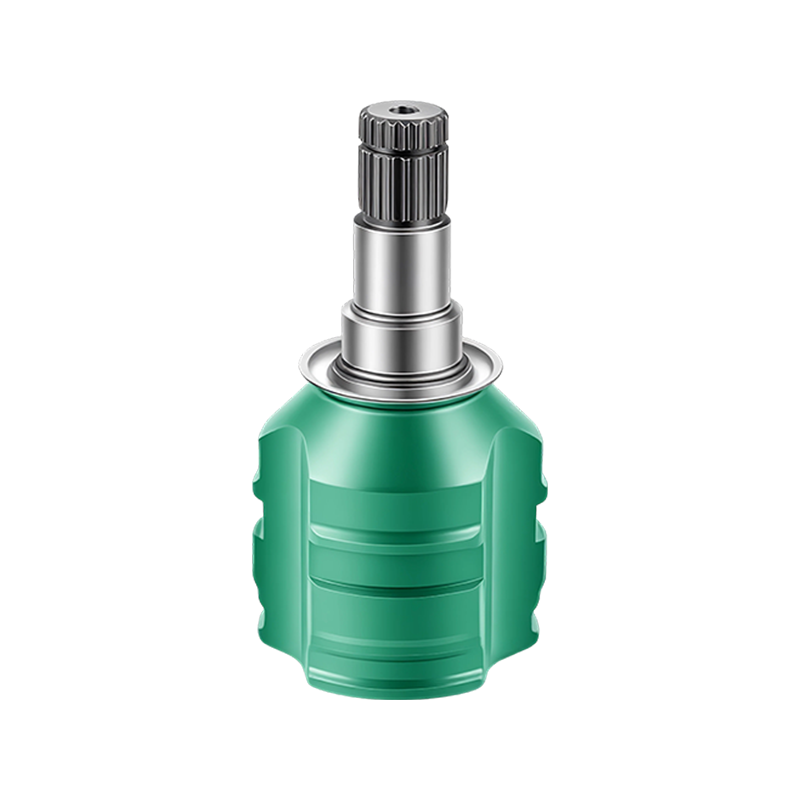
A drive shaft uses two types of C.V. joints. The inner joint sits on the transaxle side. It is designed to plunge and slide as the suspension moves, while still transmitting torque. The outer joint sits on the wheel side and is designed to handle larger steering angles.
| Comparison | Inner C.V. Joint | Outer C.V. Joint |
|---|---|---|
| Location | Transmission side | Wheel side |
| Main movement | Plunge and small angles | Large steering angles |
| Common type | Tripod or plunging joint | Fixed ball joint |
| Failure symptom | Vibration during acceleration | Clicking while turning |
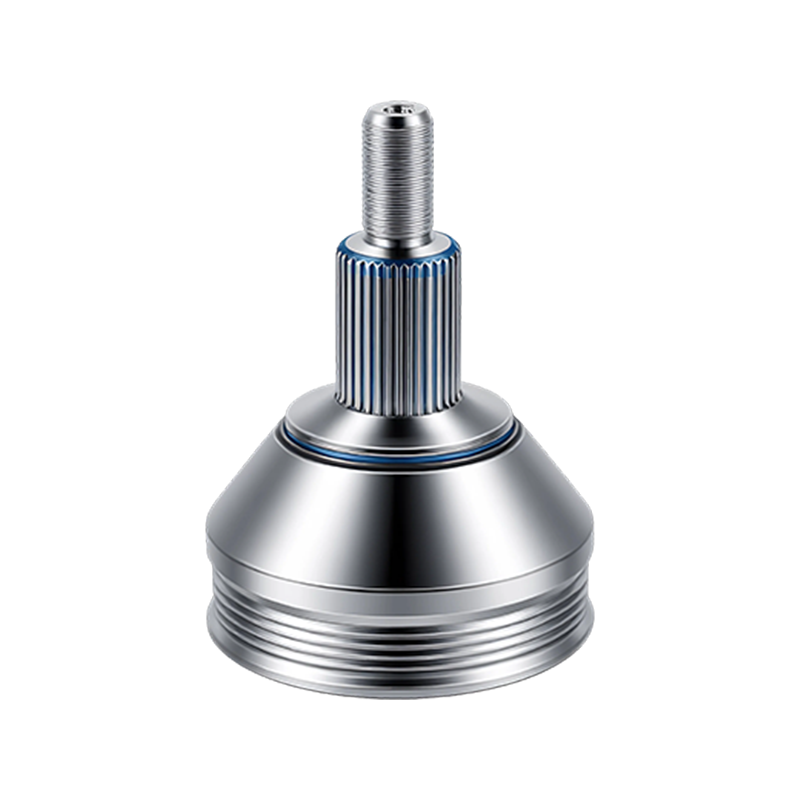
Because inner and outer joints work under different loads, exact OE-style dimensions and material strength matter during replacement. For high-torque applications, a heavy-duty inner C.V. joint helps handle impact and continuous load without sacrificing smooth rotation.
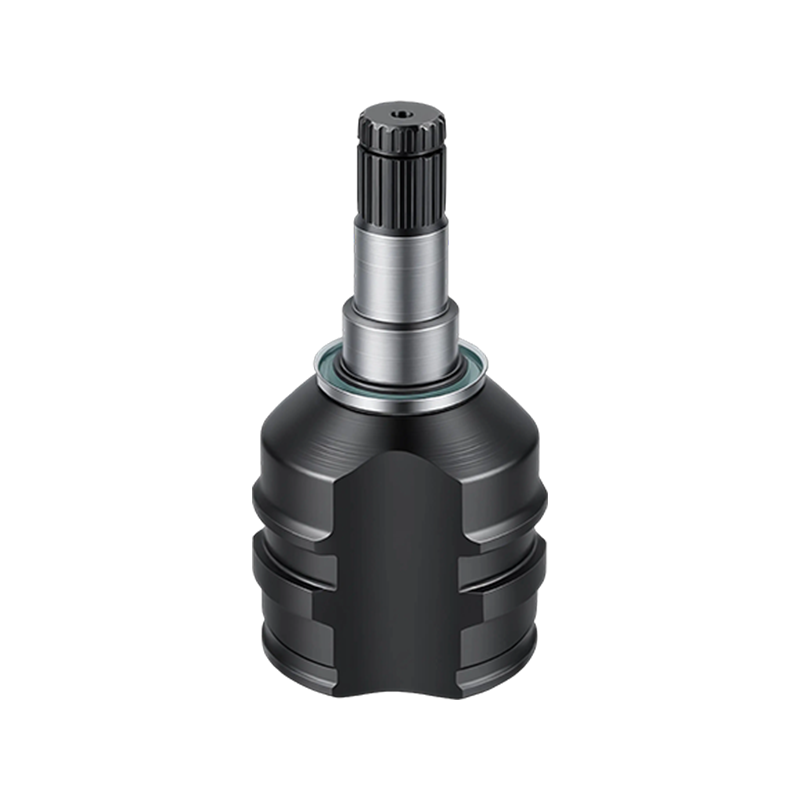 Heavy-Duty Impact-Resistant Inner CV Joint for High-Torque ApplicationsThis inner joint is built with forged alloy steel and precision-ground raceways to handle sudden torque spikes and axial stress from suspension travel. Its reinforced design helps prevent overload fractures and reduces drivetrain vibration, making it a solid choice when replacing worn or fatigued components.View Product →
Choosing the correct inner joint is especially important when the original part has worn grooves or a fatigued cage that can no longer control ball movement.
How the Drive Shaft Completes the Power Path
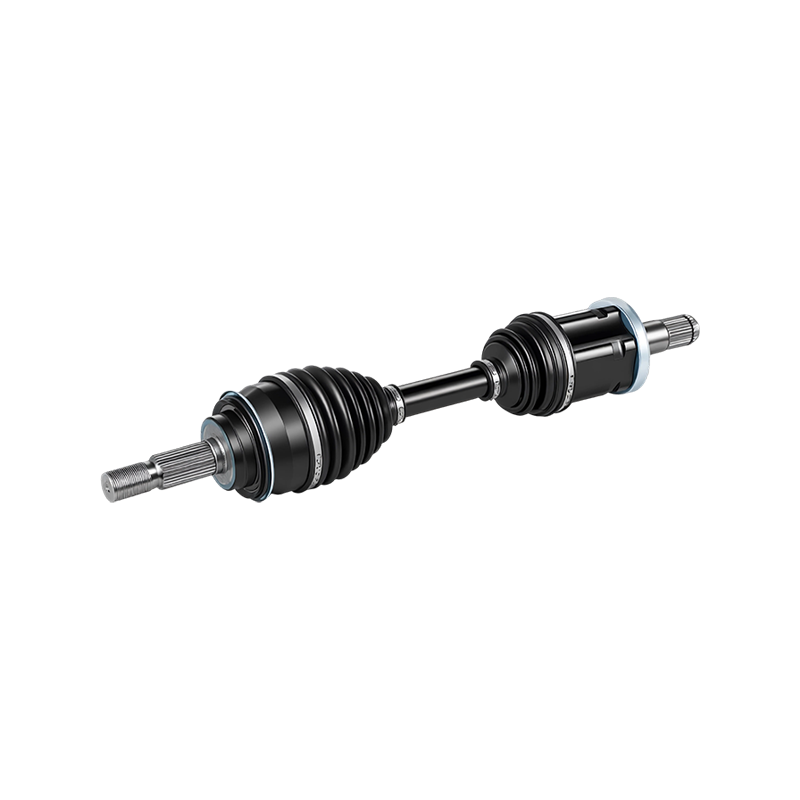
A C.V. joint alone cannot deliver power to the wheel; it needs a drive shaft, also called a half shaft, to connect the joints at the correct length and angle. The shaft transfers torque between the inner and outer C.V. joints while supporting the vehicle's ride height and suspension geometry.
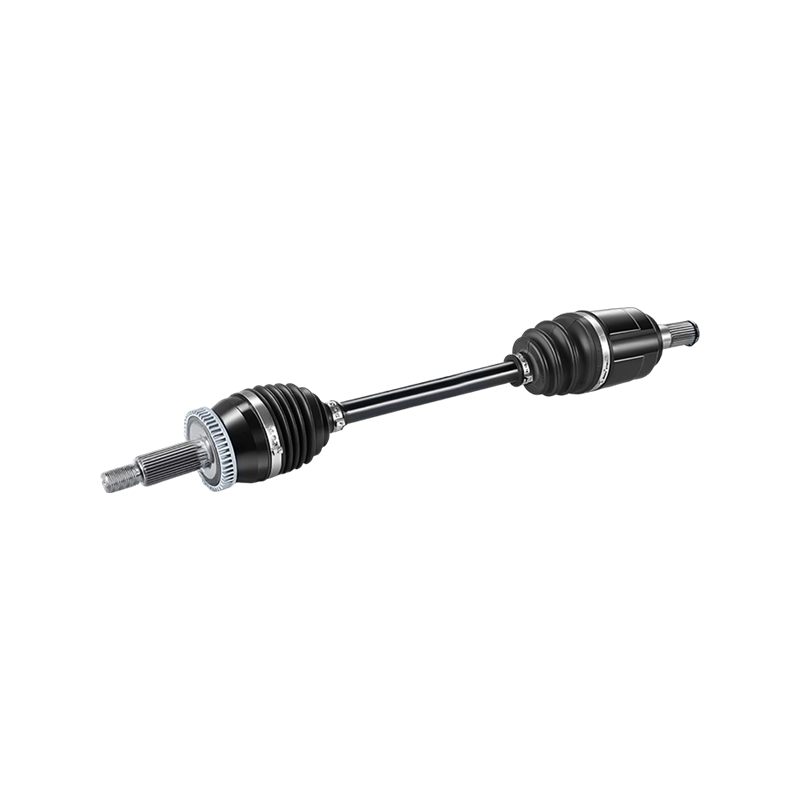
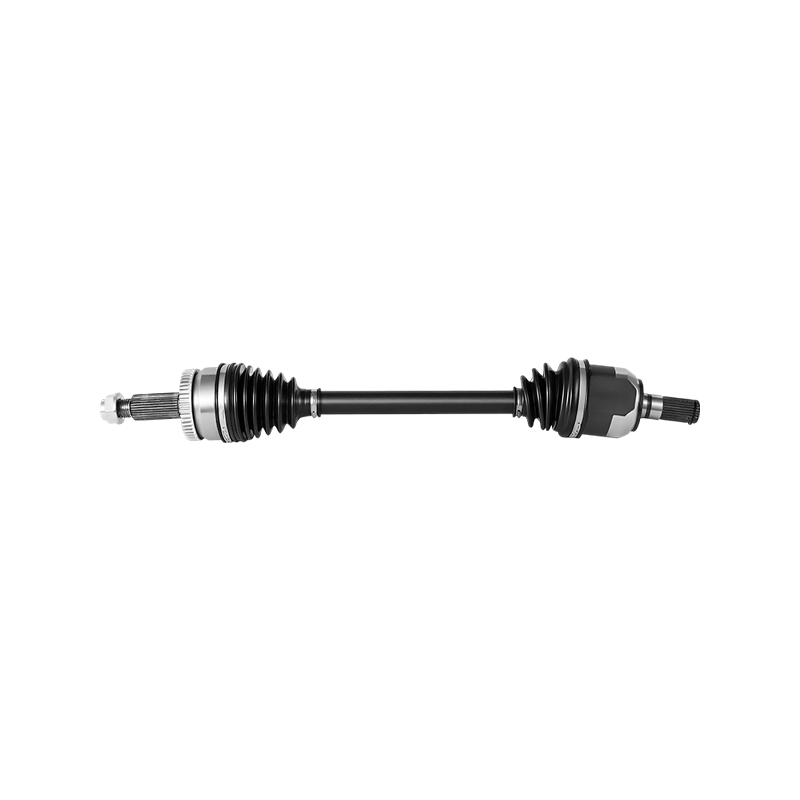
In a complete drive shaft assembly, the inner joint, shaft, outer joint, boot, and clamping components are balanced as one unit. This is why many replacement jobs move to a complete automotive C.V. axle drive shaft assembly instead of rebuilding individual parts.
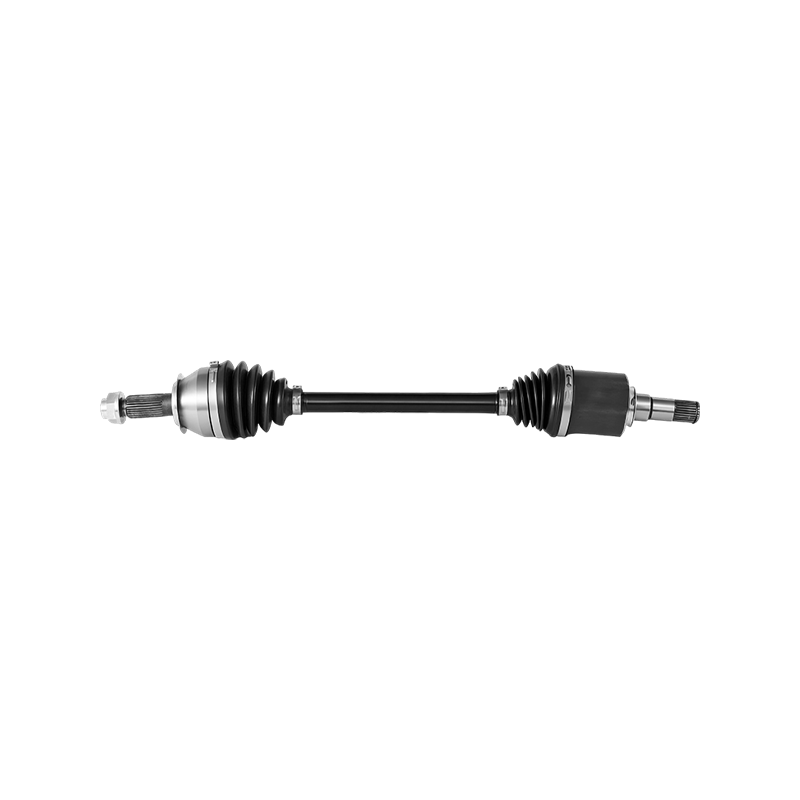 Complete Automotive CV Axle Drive Shaft Assembly with Precision JointsAs a ready-to-install unit combining shaft, constant velocity joints, and connections, this assembly is designed for smooth power transfer during steering and suspension movement. Its high-strength alloy steel shaft and precision-machined components aim to reduce vibration and improve durability, suitable for long or demanding driveshaft replacements.View Product →
For long or hard-working shafts, additional design details such as intermediate support bearings, spline fit, and anti-corrosion coating affect performance. You can learn more about how complete drive shaft assemblies handle torque, impact, and bending in real driving conditions.
Common Types of C.V. Joints
Not every C.V. joint is identical. Vehicle architecture, drive layout, and load levels determine the joint type.
Fixed Ball C.V. Joint
Used mostly on the outer side, fixed ball joints allow high angle movement and run smoothly during steering.
Tripod C.V. Joint
Used mainly on the inner side, tripod joints use roller bearings on a three-point spider. They allow plunge motion as the suspension compresses and extends.
CV Boot Kit and Protection
The boot is not a structural joint, but it is essential. Once the boot cracks, grease leaks out and road grit enters, causing rapid wear.
Why C.V. Joints Fail and How to Spot the Signs
A C.V. joint is built to last, but when the boot is damaged, contamination accelerates wear. Other causes include impact damage, overloading, or using a joint with incorrect dimensions.
- Clicking or popping noise while turning
- Vibration or shudder during acceleration
- Clunking when shifting from drive to reverse
- Grease splattered around the wheel or under the vehicle
- Split, cracked, or loose boot
The first defense is routine inspection of the boot and grease condition. Replacing a damaged boot quickly can prevent joint failure. A quality C.V. joint boot kit ensures a clean, sealed environment for the internal components.
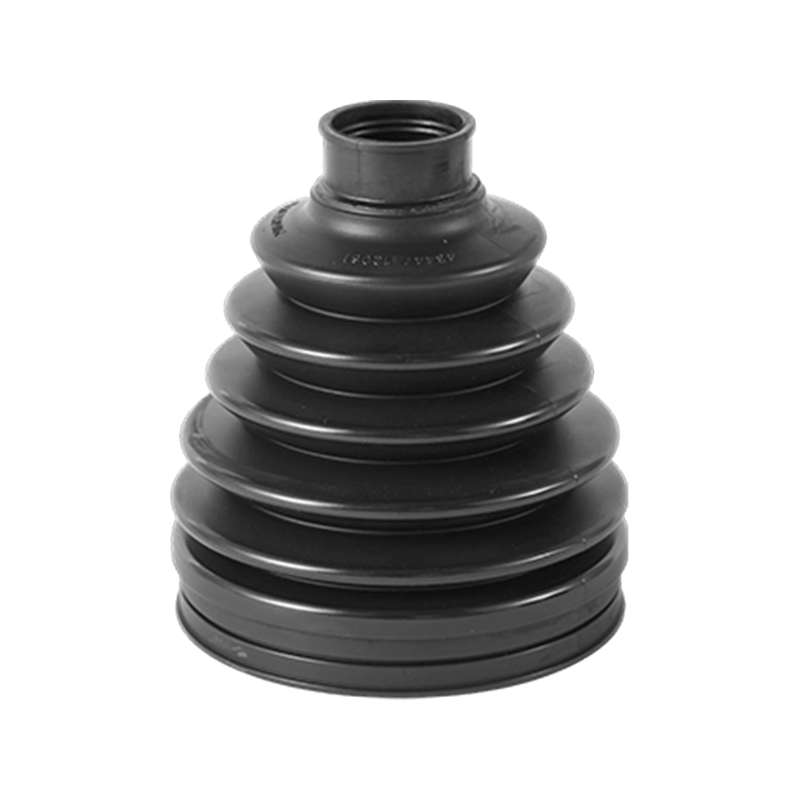 Leak-Resistant CV Joint Bellows Boot Kit for Dust and Grease ProtectionThis rubber boot kit seals the CV joint against grease leaks and external contaminants like mud, water, and gravel. Its flexible pleated design accommodates shaft movement while maintaining a clean lubrication environment, helping to prevent premature wear. It is a practical option when boot damage is noticed before joint failure occurs.View Product →
Ignoring these warning signs can turn a small boot repair into a complete shaft replacement.
How to Choose the Right C.V. Joint for Your Vehicle
Choosing the right replacement starts with confirming the original equipment fitment and application. Vehicle model, year, engine type, drive layout, and propeller shaft design all affect the correct part number.
- Match the original OE reference or application code.
- Confirm inner joint type, outer joint type, and shaft length.
- Check spline count, bolt pattern, and ABS ring requirements.
- Choose a supplier with consistent material and heat-treatment standards.
- Verify that the boot kit uses durable rubber or TPE material.
For shops and distributors, working with a dedicated C.V. joint manufacturer provides clearer quality control, better traceability, and more reliable supply than relying on unknown middlemen.
Why Work with a Factory That Specializes in C.V. Joints and Drive Shafts
Yuhuan Bayzo Machinery Co., Ltd. is a manufacturer based in Yuhuan, China, a region known as an automotive parts production base. The company specializes in C.V. joints and drive shafts for the global automotive aftermarket, covering domestic and export markets.
A C.V. joint is a precision component. Reliable delivery comes from disciplined production, stable heat treatment, and careful inspection at every stage.
A factory with in-house production and inspection is better able to control spline accuracy, surface hardness, and boot quality. This matters for replacement parts that must endure torque spikes, steering angles, and road contamination.
Frequently Asked Questions About C.V. Joints
Q1: What does a C.V. joint do?
A C.V. joint transfers engine torque from the transmission to the wheels while allowing the drive shaft to bend and change length as the suspension moves.
Q2: What is the difference between an inner and outer C.V. joint?
An inner C.V. joint connects to the transmission side and allows plunge motion; an outer C.V. joint connects to the wheel side and allows higher steering angles.
Q3: Can a car drive with a broken C.V. joint?
It is not recommended. A failing joint can create noise, vibration, and unpredictable power delivery. If the joint separates, the vehicle can lose drive ability completely.
Q4: How long does a C.V. joint last?
Service life depends on driving conditions, boot condition, and part quality. A protected and properly lubricated joint can last for many years, while a torn boot can cause failure much sooner.
Understanding the C.V. joint as part of the whole drive path helps you diagnose faults, select the right replacement, and avoid comebacks. From the inner joint to the outer joint, every component exists to do one job: deliver smooth power to the wheels.
- Email: zyqya@qq.com
- Tel: +86-576-87209702
- Mob: +86-13906546241
- Sales Tel: +86-15098852690/19861808468
- Whatsapp: +86-13656869496
- Add: No. 9 Xingyuan Road, Farm Automobile and Motorcycle Park, Yuhuan City, Zhejiang Province, China
Copyright © Yuhuan Bayzo Machinery Co., Ltd. All Rights Reserved.
OEM/ODM Drivetrain Components Suppliers